
Cooking & Care Tips
Cooking & Care Tips
Everyday kitchen care does not need to feel complicated. A few simple habits around cooking, cleaning, drying, and storage can help keep frequently used kitchen pieces ready for the next meal.
Always begin with the product-specific instructions. Materials and finishes can require different care, so use these ideas as general kitchen habits rather than a replacement for the instructions provided with an individual item.
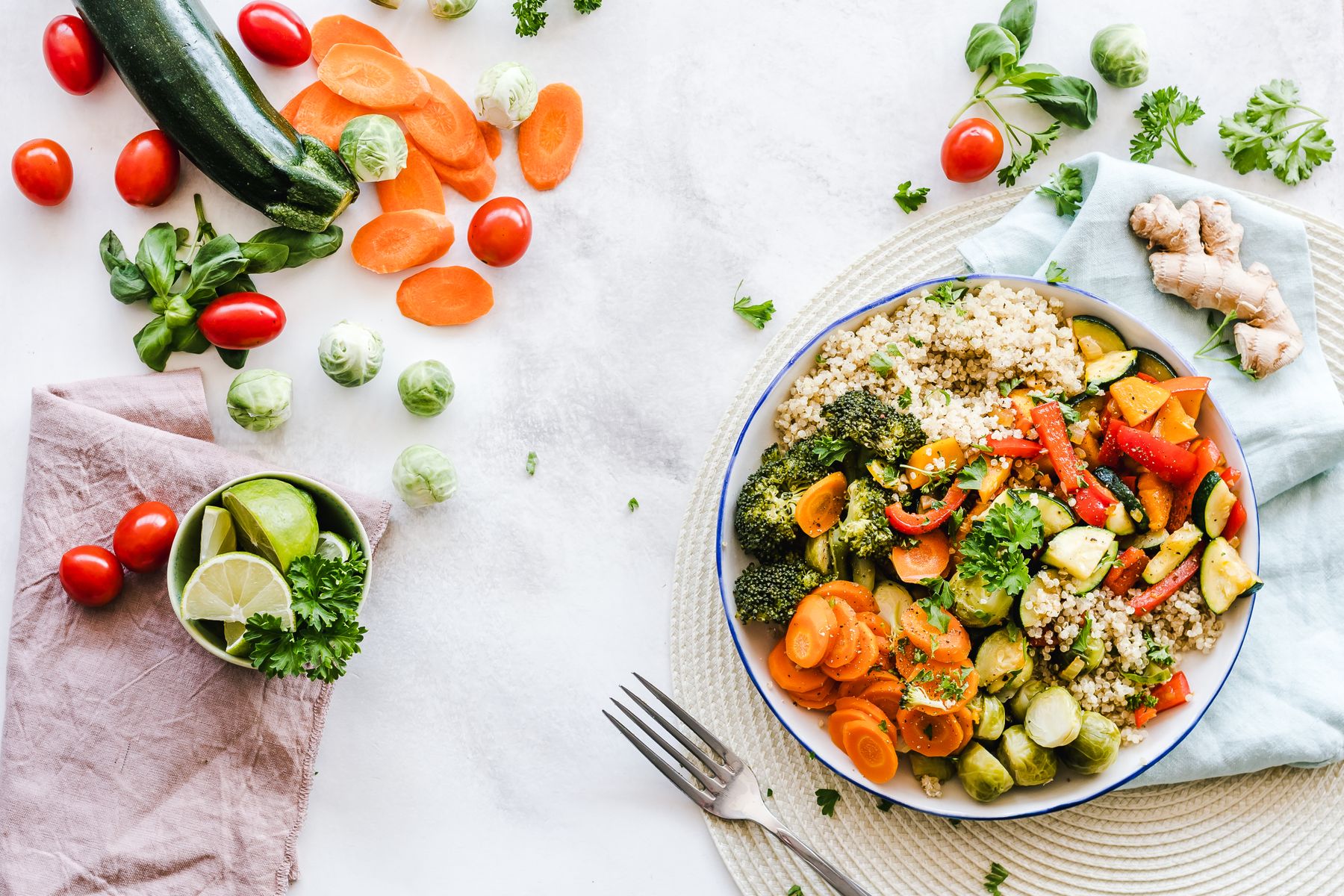
A little care between meals goes a long way.
The easiest kitchen routines are usually the ones that happen while cooking and immediately after. Keeping tools, cookware, and surfaces in order as you go can make cleanup feel far less demanding.
Prepare the workspace
Start with a clear counter, bring out only what you need, and keep a place nearby for used utensils, scraps, or packaging.
Use tools thoughtfully
Match utensils and cookware to the task at hand, and follow the specific heat, surface, and use guidance supplied with each item.
Clean without rushing
Let pieces reach a comfortable handling temperature where appropriate, then clean them using the method recommended for their material and finish.
Put things away dry
Once cleaned, allow items to dry appropriately before returning them to drawers, cabinets, racks, or storage containers.

Build care into the cooking process.
Cookware and utensils are easier to look after when care begins while the meal is still happening. Keep the setup tidy, avoid unnecessary buildup, and give each piece the cleaning method that suits it.
-
01
Keep the right utensil nearby
Use utensils that are appropriate for the cookware surface and follow any material-specific use guidance.
-
02
Deal with spills while they are manageable
Wipe nearby counters and resting areas as you cook so small messes do not become the whole cleanup later.
-
03
Avoid stacking before pieces are ready
Clean and dry cookware according to its instructions before putting it back into cupboards or stacking it with other pieces.
-
04
Keep frequently used pieces accessible
Store the pans and utensils you reach for most often where they can be taken out and returned without rearranging the whole cabinet.
Let preparation end with a simple reset.
Cutting boards, knives, shears, peelers, graters, and other prep tools are used early in the meal, which makes them good candidates for cleaning and putting away before cooking is finished.
-
01
Clear prep tools when the task is finished
Once chopping or preparation is complete, move used tools out of the main cooking area so the counter stays workable.
-
02
Follow the care needs of the material
Wood, metal, glass, ceramic, and coated surfaces may require different cleaning and drying methods.
-
03
Store sharp tools deliberately
Keep knives and similar tools in an appropriate storage setup rather than loose among unrelated utensils.
-
04
Keep boards and tools comfortably dry
After cleaning, allow pieces to dry in the way recommended for their material before returning them to storage.
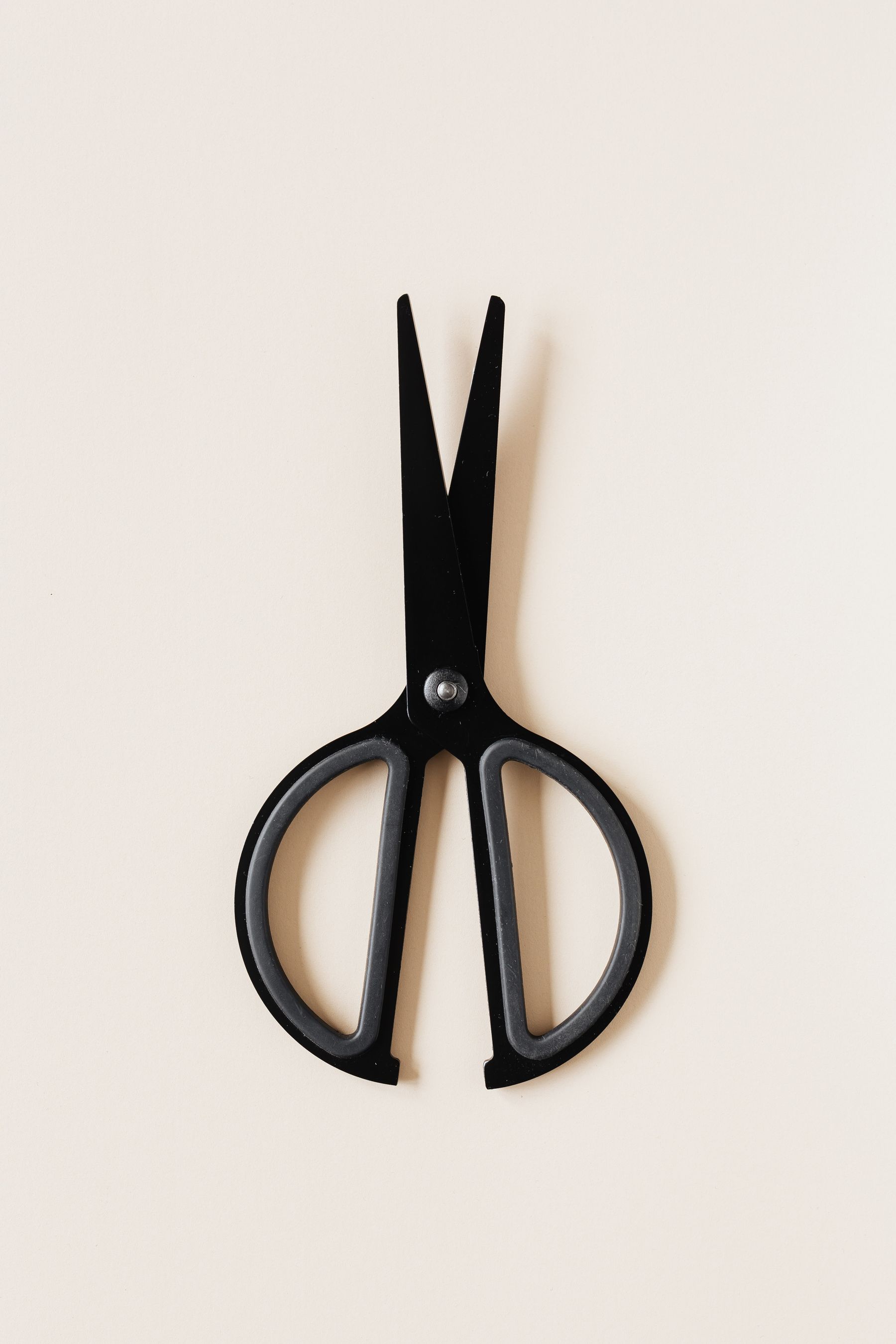
Finish today in a way that helps tomorrow.
A kitchen does not need to look untouched after every meal. It only needs enough of a reset that the next cup of coffee, breakfast, or cooking session can begin without first undoing yesterday.
Clear the working zone
Return ingredients, move leftovers into suitable storage, and give the main preparation area some breathing room again.
Clean what was used
Follow product-specific care instructions for cookware, utensils, boards, tableware, and serving pieces.
Let pieces dry properly
Give cleaned items the appropriate drying time before stacking, covering, or returning them to enclosed storage.
Put essentials back in place
Return everyday tools to familiar locations so the next cooking session starts with less searching and less rearranging.
Different kitchen pieces deserve different routines.
The simplest rule is also the most useful one: check how the individual product is intended to be cleaned, dried, stored, and used before applying a general kitchen habit to it.
Pay attention to moisture and drying.
Boards, utensils, and other natural-material pieces may have specific recommendations for washing, drying, conditioning, or storage.
Check the care instructions for the individual item before using a soaking, dishwasher, oiling, or other maintenance method.
Match cleaning to the finish.
Stainless steel, coated cookware, and other metal surfaces can have different recommendations for utensils, cleaners, heat, and dishwasher use.
Use the product-specific guidance as the primary reference for cleaning and maintenance.
Handle storage as thoughtfully as washing.
Cups, bowls, plates, jars, and glassware benefit from a storage setup that keeps frequently used pieces easy to reach and neatly arranged.
Follow each item's instructions for cleaning, temperature exposure, stacking, and other specific care considerations.
A thoughtful kitchen routine is built one small habit at a time.
Explore PantryMora kitchen essentials for preparation, cooking, serving, storing, and the everyday routines that keep the kitchen ready for what comes next.